

Genres: Theology in Fantasy
Definition of the Genre
Fantasy is a genre that almost needs no introduction in the current cultural mind. Between modern adaptations of cornerstone Fantasy literature (i.e. the Lord of the Rings movies among others) and a network of societal pressures that are encouraging a desire for simpler times vastly different from our own, Fantasy is arguably king among the Speculative Genres for the moment. The question then, however, is what exactly defines “fantasy” as we know it today?
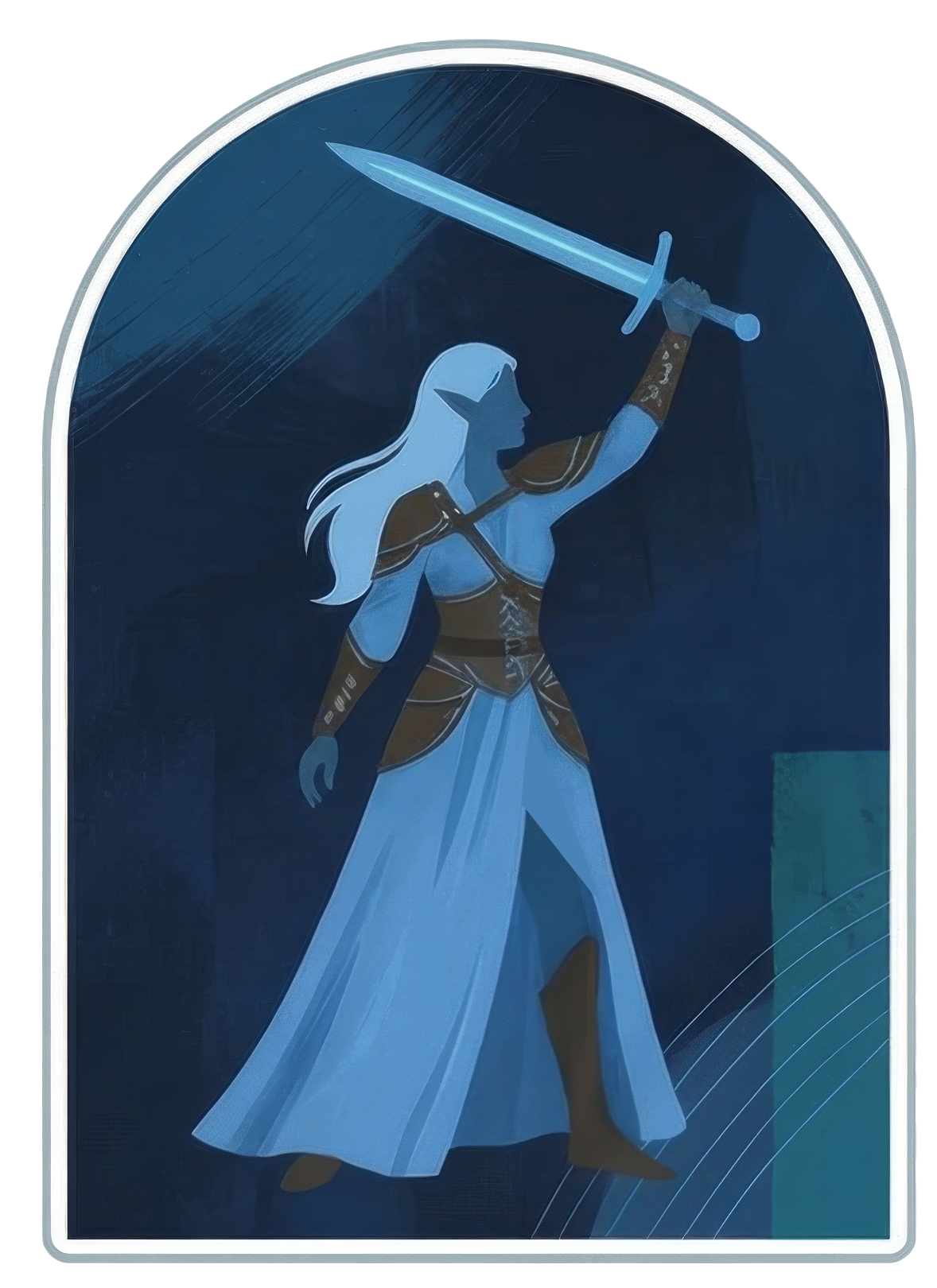
Fantasy is a type of Speculative Fiction with a foundation in the mystical. Whether that mystical is grounded in familiar mythology and folklore or is something entirely new, Fantasy typically explores ideas of how humanity and the natural world relates to forces and beings outside its realm. This may include elements such as the fae, elves, dwarves, or dragons. It might include mythological gods or demi-gods that live on another plane of existence. Or it might have a magical element; some unexplained force that is either natural or supernatural in origin. It is not necessarily limited to the classic European Medieval aesthetic, either; Fantasy can exist across a spectrum of cultural backgrounds or imaginative worlds.
Often times the term “fantasy” is used as a substitute for the term “Speculative Fiction”. While this can make sense for some publishers and writers, it is less precise in a cultural sense. For most people, the term “Fantasy” brings to mind a very specific type of story and aesthetic. Quite a few of the tropes and cliches found in one branch of Speculative Fiction are found in others, however, the core of the stories aesthetics and power systems are often wildly different from genre to genre.
For example, a Fantasy story may have a Tree of Knowledge that provides answers to any question that could possibly be asked for a price. The same kind of trope might be used in Science Fiction, but the tree is instead replaced by an artificial intelligence known as The Oracle. While both stories are using the same foundational idea — a repository of the sum of human knowledge — the aesthetics and core functionality of the tropes is different. The tree presents itself as having an explanation beyond human understanding; perhaps something supernatural or magical in nature. Something humans ultimately have no control over and never have. In the meantime, the AI presents this idea of a human- or creature-made intelligence, something constructed — even if not by the main character or creatures known to the main character. It isn’t a perfect dividing line, but it is enough of one for our purposes.
The Theology
Fantasy is incredibly well-known in the Christian circles; with greats like J.R.R. Tolkien and C.S. Lewis paving the way for theologically and allegorically rich Fantasy epics in the modern definition era. The key is the genre’s core foundation of the mystical that lends it so readily to Christian fiction and theology. There is a distinct, supernatural, unexplainable, and mysterious element to Christianity that can be easily explored in a Fantasy-esque setting. The genre can naturally take on both overt and covert discussions and messages about the nature of God, Jesus, the Holy Spirit, angels, demons, and so on and so forth. These kinds of things do now feel out of place in a Fantasy setting because similar elements are already woven into the fabric of the genre.
There are, of course, a plethora of different ways to go about weaving a Christian message through a piece of Fantasy fiction. There is a very overt form, such as in classics like The Pilgrim’s Progress, which blends fantastical elements with blunt Christian themes. Then there are more subtle forms, such as The Silmarillion, which introduces a whole pantheon of minor gods — including one that serves the role of Lucifer — all of whom were ultimately created by Middle Earth’s equivalent to God Almighty. As long as there is respect to God and His laws, and no sin is being upheld as good and right, there really is no wrong way to incorporate supernatural Christian themes into a piece of Fantasy.
In a slightly less supernatural or mystical way, Fantasy is also the perfect canvas for stories that explore more personal Christian ideas. This includes bravery in the face of evil, self-sacrifice, mercy, love, even salvation and the relationship one has with one’s Maker. The genre is incredibly versatile in that aspect, easily molded to tell just about any kind of story the Christian creative might want to tell. Fantastical elements like dragons, kingdoms, empires, prophecies, even gods and demons, can all be used as allegories or metaphors for key Christian themes.
The Pitfalls
While Fantasy for Christians does not have to hold too overtly to Christian themes to get a Christian message across, there are some common pitfalls and pet sins the genre tends to fall into. The first and foremost is setting up false gods and magic as idols in the story. While both of these things can be used in ways that express God’s nature or explore themes of faith, religion, and miracles, they are also representations two of the most dangerous sins in the Bible — the worship of false idols and the practice of magic.
This does not necessarily mean that Christians can’t use either in their Fantasy, nor does it mean that all idol-worshippers and magic-users must be evil in Christian Fiction, but the Christian creative needs to be diligent and prayerful when adding these elements into their story. Questions need to be asked about why these elements are in the story and what kind of message is actually being presented to the Christian audience. Is there an underlying message of “God is insufficient, here are alternatives”? Or “magic gives you the miracles and power you are looking for”?
Another pitfall that fantasy can fall into is the idolization of the past or of a world different than our own. This is a common pitfall across most Speculative Fiction, which provides one of the most powerful forms of rest available to the human mind: escapism. In and of itself, escapism can be an incredible tool to relax and unwind. Providing an audience with an opportunity to take their mind off their real-world worries for a bit and dive into a fantastical adventure is — the argument could be made — a form of loving and caring for one’s neighbor. Much like providing a plate of cookies to cheer up a friend.
However, just like anything, the idea of a different life can become an idol to the audience, encouraged by the writer. This is usually done through glamourizing the world around the characters; painting it not just as beautiful, but perfect and better in every way. While the writer or author is ultimately not responsible for how the audience reacts to their story, it is another point of prayer and attention that needs to be paid when developing a piece of Fantasy. Why is the Christian creative painting the story’s world or part of its world in such a positive light? Is there a reason that makes sense within the story or is it purely for the audience’s sake? Is the creative idolizing the world they are creating, even unconsciously?
In the Current Realm
Fantasy is arguably the top Speculative Genre in modern culture. Between a plethora of big-name fantasy novels and series being turned into movies and television over the past twenty-five years to the wave of nostalgia that brought Dungeons and Dragons back to the forefront of popular culture, Fantasy is spending plenty of time in the sun. Not simply High Fantasy, either, but stories across the entire spectrum of the genre, including Cozy Fantasy, Contemporary Fantasy, Romantasy, and so on and so forth. Even Sci-Fantasy has found its spot in modern media.
In a lot of ways, this is both a good and bad thing for the Christian creative looking to tell Fantasy fiction. Good because there is a robust audience for this genre and so it is the genre a lot of publishers are looking for, bad because even the Christian Fantasy market is becoming — if not already is — saturated. This should not at all discourage anyone from pursuing the story that God has given them to write; because He is ultimately in control of the when and why for the tasks He gives us, but it is something to be aware of when pursuing this genre as a storyteller. Saturated markets do not automatically mean failure, but they do come with their own set of difficulties.
As with any popular genre in the secular realm, Fantasy is riddled with sin and vices, upholding the world’s standards and putting to shame God’s good laws and instructions for our lives. Whether a creative is called to pursue writing or drawing an overtly Christian Fantasy or one that is a little more covert, the world needs the kinds of stories they are going to tell. Stories that put a spotlight on good things such as love, mercy, patience, gentleness, nobility, bravery, and faith, and draw clear and distinct lines between good and evil. Arguably, these are the most important stories Christians could possibly tell, because they point back to the One True God and all His Goodness, all of which the world is desperately looking for.